
Tile Roof Underlayment Replacement in Phoenix
Tile roofs are common across Phoenix because the concrete tiles themselves can last for decades. However, the waterproof underlayment beneath the tiles eventually deteriorates from heat and age.
When the underlayment fails, roof leaks can occur even if the tiles appear to be in good condition. Thunderbird Roofing specializes in tile roof underlayment replacement to restore the waterproof protection beneath your roof.
Why Tile Roof Underlayment Fails in Phoenix
Phoenix’s extreme heat and UV exposure cause roofing materials to deteriorate faster than in many other climates. Tile roofs themselves are durable, but the underlayment beneath the tiles eventually wears out.
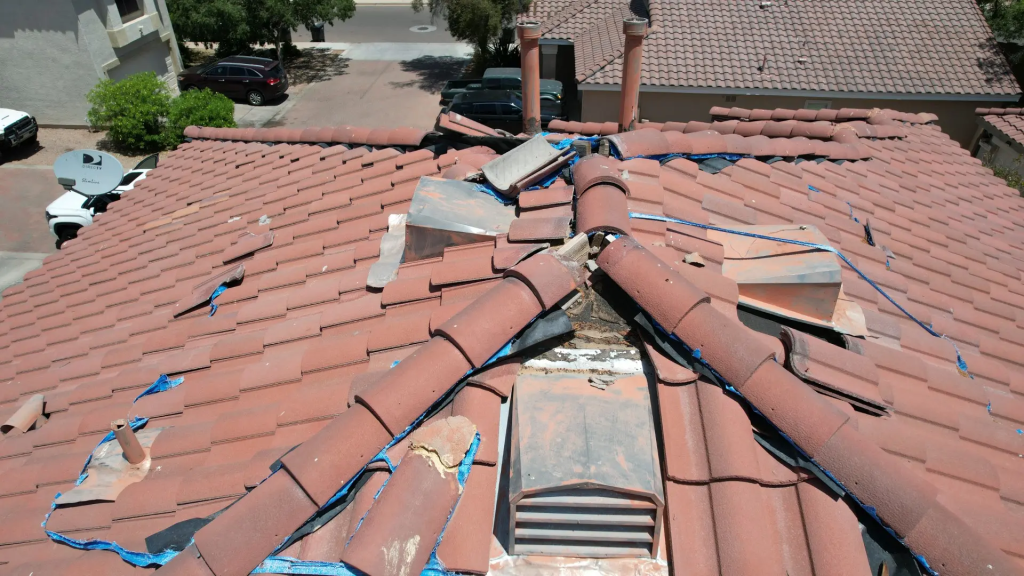
Desert Heat
Phoenix temperatures accelerate the aging of roofing materials. Over time the underlayment beneath tile roofs becomes brittle and begins to crack.
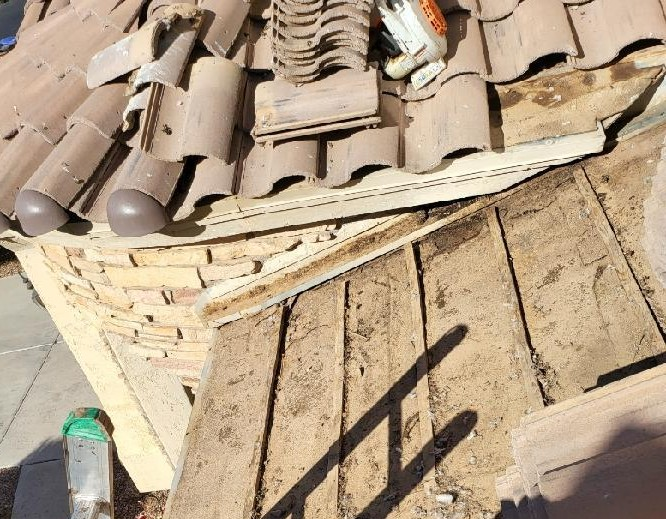
Aging Roofing Materials
Most tile roof underlayments last between 20 and 30 years depending on the materials used and the quality of installation.
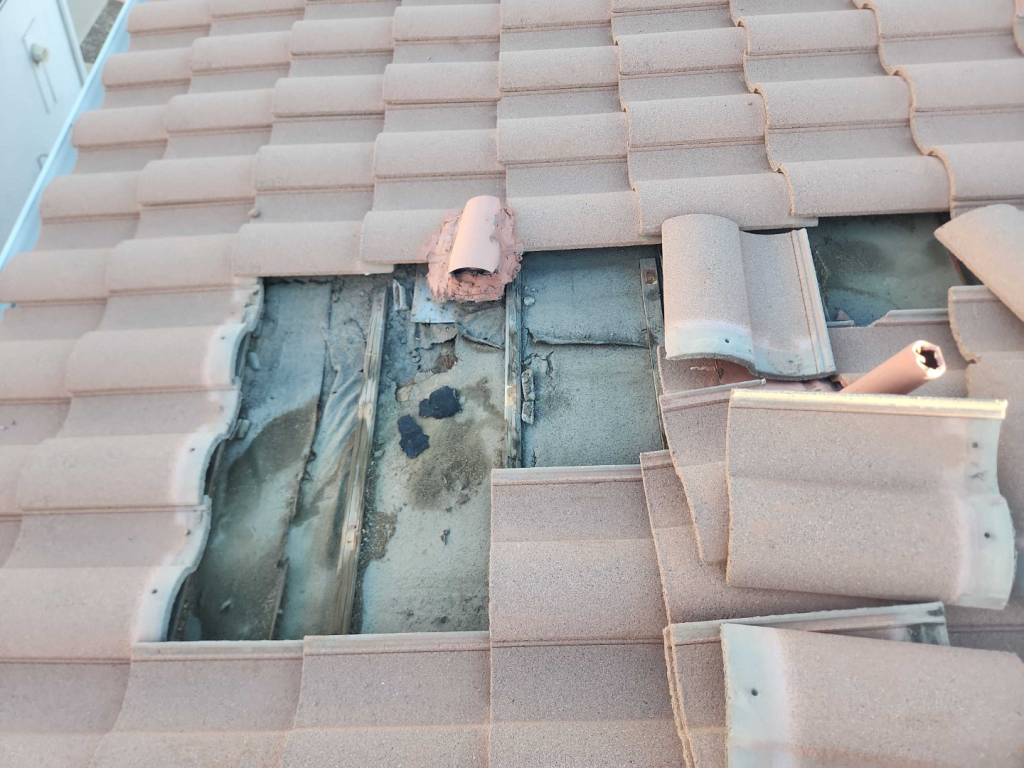
Water Intrusion at Flashings
Roof penetrations, valleys, and flashing areas are common places where water enters once the underlayment begins to deteriorate.
Signs Your Tile Roof Underlayment May Be Failing
Typical underlayment replacement includes:
- Carefully removing existing roof tiles
- Inspecting the roof deck for damage
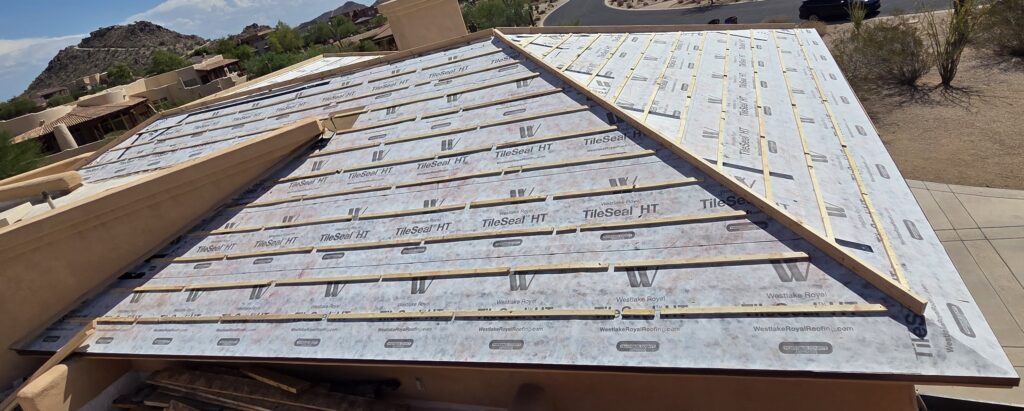
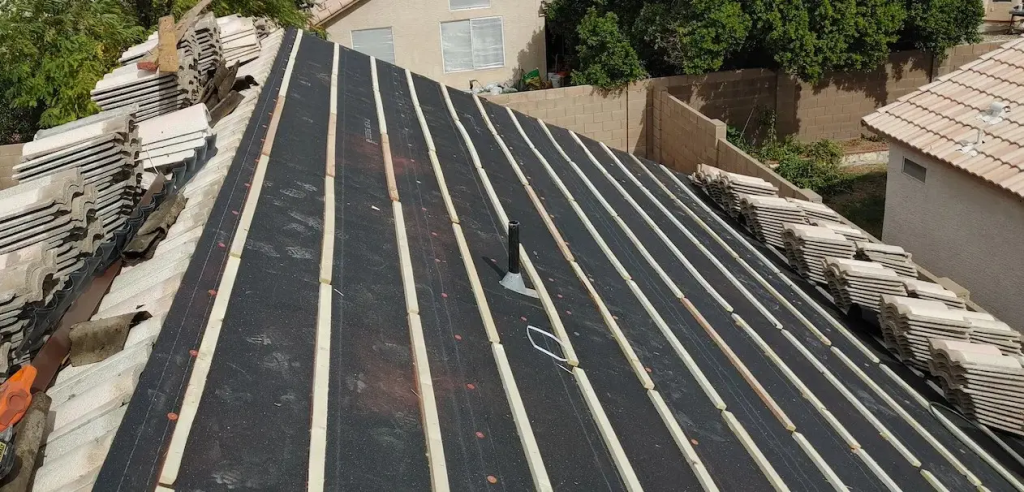
- Installing new high-quality underlayment
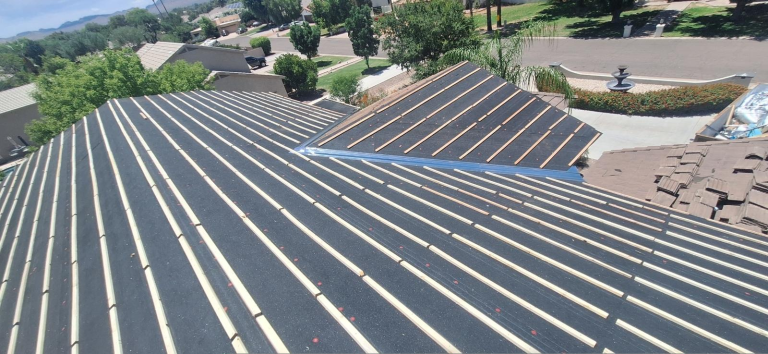
- Installing battens and flashing components
- Reinstalling the existing roof tiles
This process restores the waterproof layer that protects the home beneath the tile roofing system.
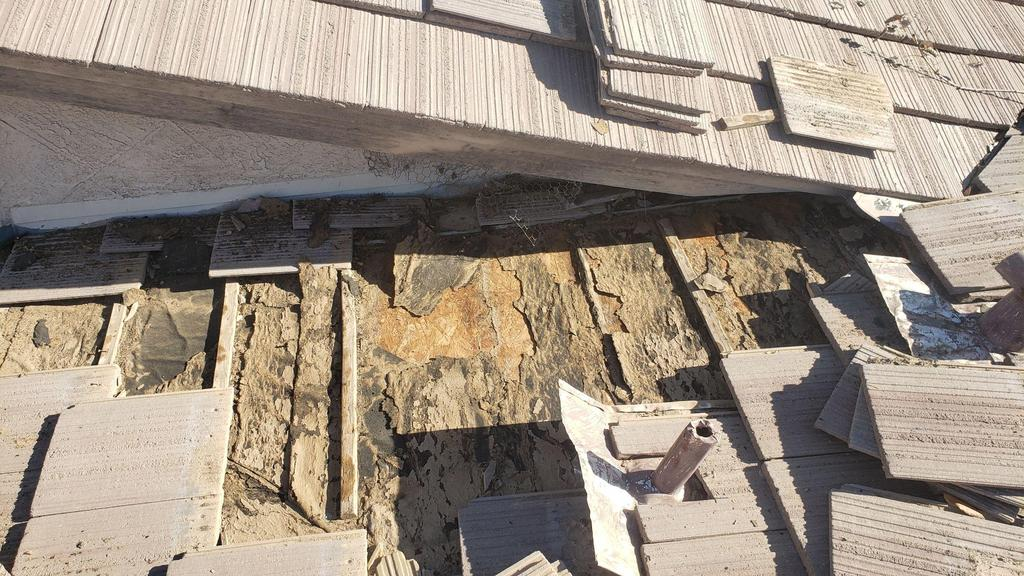
Tile Roof Underlayment Replacement Process
Typical underlayment replacement includes:
- Carefully removing existing roof tiles
- Inspecting the roof deck for damage
- Installing new high-quality underlayment
- Installing battens and flashing components
- Reinstalling the existing roof tiles
This process restores the waterproof layer that protects the home beneath the tile roofing system.
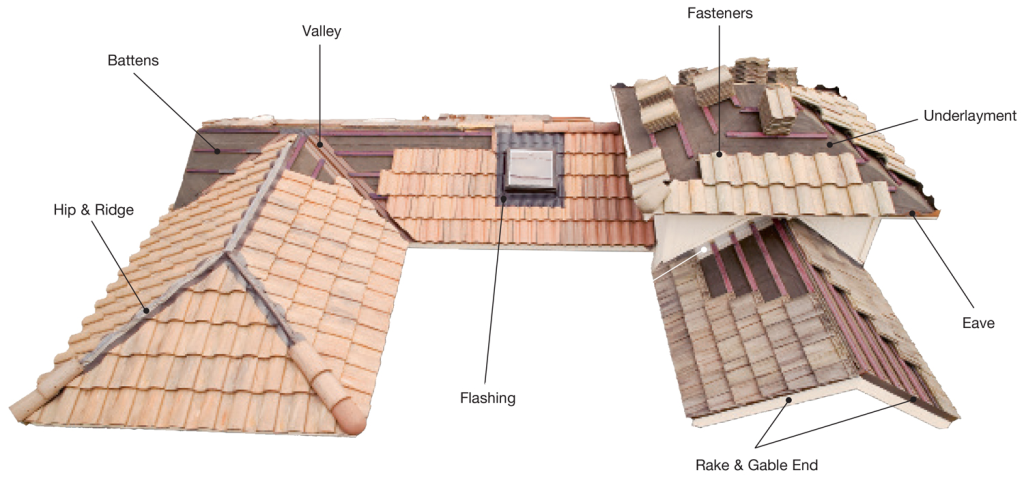
Anatomy of a Tile Roof System
Tile roofs rely on several components working together, including the underlayment, battens, flashing, and tiles themselves.
Tile Roof Repair vs Underlayment Replacement
Not every tile roof leak requires a full underlayment replacement. In many cases, roof leaks can be repaired by addressing flashing failures, replacing broken tiles, or repairing small sections of damaged underlayment.
Localized repairs are often effective when the rest of the roof system is still in good condition.
However, when the underlayment across the entire roof has deteriorated due to age and long-term exposure to Phoenix heat, repairing isolated areas may only provide temporary relief.
In these situations, replacing the entire underlayment system is often the most reliable way to restore the waterproof protection beneath the tile roof and prevent recurring leaks.
If your roof currently has an active leak, visit our Tile Roof Leak Repair in Phoenix page to learn more about diagnosing and repairing tile roof leaks.
What Does Tile Roof Underlayment Replacement Cost in Phoenix?
Tile roof underlayment replacement costs can vary depending on the size of the roof, the condition of the roof deck, the type of underlayment being installed, and the complexity of the tile system.
Because tile roofs require removing and reinstalling the existing tiles, the labor involved is more extensive than many other roofing systems. During an inspection, a roofing contractor can evaluate the condition of the underlayment, flashing, and roof deck to determine the most appropriate repair or replacement approach.
Scheduling a professional roof inspection is the best way to determine the condition of the underlayment and receive an accurate estimate for replacement.
Active Tile Roof Leak? Here’s What To Do Right Now
If water is actively leaking into your home, taking a few quick steps can help reduce interior damage while you arrange for a professional roof inspection.
- Move valuables away from the leak area
- Place a bucket or container beneath the drip
- If drywall begins to sag, carefully puncture a small hole to release trapped water
- Contact a roofing professional to locate and repair the leak source
Thunderbird Roofing has been diagnosing and repairing roof leaks across the Phoenix area for decades.